Your Wrist Is Watching You: The Case for Open-Source Wearables in a QtMoko World
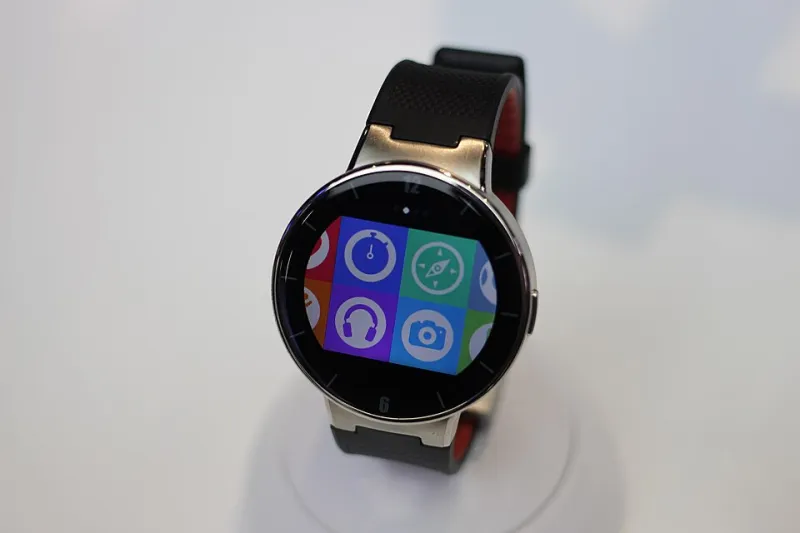
Photo: Maurizio Pesce from Milan, Italia, CC BY 2.0, via Wikimedia Commons
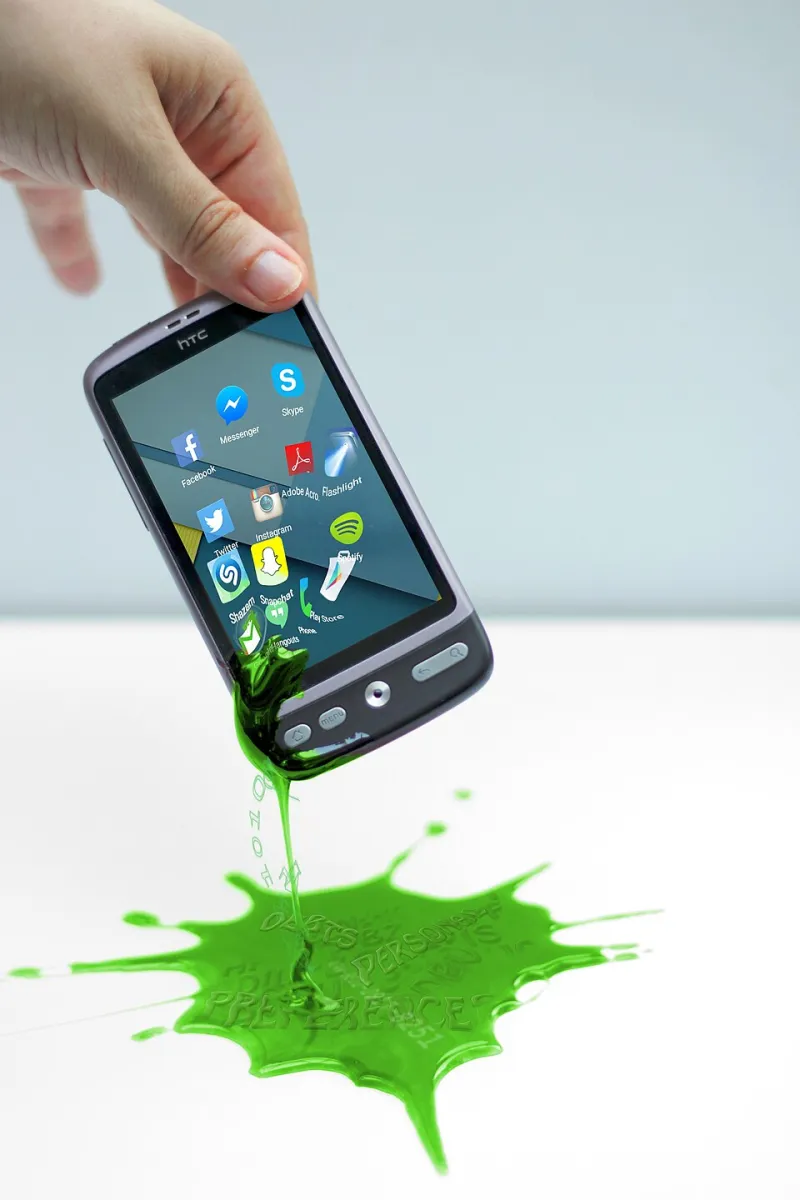
You did the hard part. You ditched the stock Android build, flashed something cleaner, and took back control of your smartphone. Feels good, right? But here's the thing — while you were busy liberating your phone, that sleek little fitness tracker on your wrist has been quietly logging your sleep patterns, heart rate, GPS coordinates, and workout data, and shipping all of it to a cloud server you've never read the terms of service for. Twice.
The open-source mobile movement has made serious noise over the last few years, and projects like QtMoko are proof that real alternatives exist. But the honest truth is that a privacy-conscious phone paired with a surveillance wearable is a little like putting a deadbolt on your front door and leaving the back window wide open.
The Wearable Blind Spot Nobody Talks About
Most conversations about digital privacy zero in on smartphones. Makes sense — they're the most powerful computers most of us carry. But wearables collect intimate data. We're talking biometric information: your resting heart rate, blood oxygen levels, menstrual cycles, stress indicators, sleep stages. That's not just behavioral data. That's physiological data, and it's being harvested by companies whose entire business model depends on monetizing it.
Fitbit is owned by Google. Apple Watch feeds the Apple ecosystem. Samsung's Galaxy Watch ties directly into Samsung Health, which has its own complicated data-sharing history. Even the budget options — cheap fitness bands from brands you've barely heard of — frequently run firmware that's completely opaque, connecting to servers in jurisdictions with zero meaningful privacy law.
For the privacy-aware user who's already made the jump to an open mobile OS, this is a glaring contradiction. You've demanded transparency from your phone. Why settle for a black box on your wrist?
What Open Wearable Options Actually Exist Right Now
The good news: the open-source wearable ecosystem is real, even if it's still a little rough around the edges. A few projects are worth knowing about.
PineTime, developed by Pine64 (the same folks behind the PinePhone), is probably the most accessible entry point. It runs InfiniTime, an open-source firmware that's actively maintained, and it supports over-the-air updates without requiring a proprietary app. It syncs with Android and Linux devices, and there's growing community work around tighter integration with open mobile platforms. It's not going to replace a Garmin for serious athletes, but for a daily wear watch that doesn't spy on you? It's genuinely impressive for the price.
AsteroidOS is another option, targeting repurposed Android Wear hardware. If you've got an old LG Watch Sport or an Asus ZenWatch collecting dust in a drawer, AsteroidOS can give it a second life with a fully open stack. The project has been around since 2015, which in open-source wearable years is basically ancient history.
On the IoT side, ESPHome and Tasmota have built strong communities around open firmware for smart home devices, which matters when you start thinking about the full picture — your phone, your watch, your thermostat, your front door camera. The vision of a truly open personal tech ecosystem isn't science fiction. It's being assembled right now, one firmware flash at a time.
The Technical Friction Is Real — Let's Be Honest About It
None of this is plug-and-play yet. That deserves to be said plainly.
Pairing a PineTime with a QtMoko device requires some patience and a willingness to troubleshoot Bluetooth pairing quirks. AsteroidOS device support is limited to specific hardware. Community documentation, while improving, still assumes a baseline of technical comfort that a lot of mainstream users don't have.
The companion app situation is also a work in progress. Gadgetbridge, the open-source Android app that handles wearable sync without phoning home to manufacturer servers, is genuinely solid — but it doesn't support every device, and the interface isn't exactly consumer-friendly out of the box.
These aren't reasons to give up. They're reasons to be realistic about where the ecosystem is and where it needs to go. The smartphone open-source movement faced the same friction five years ago, and look at where projects like QtMoko are today.
Why This Has to Be Part of the Larger Conversation
Here's the philosophical point that tends to get lost in the technical weeds: corporate surveillance doesn't respect device boundaries. Your data doesn't live in neat little silos — phone data here, wearable data there. It gets aggregated, cross-referenced, and sold as a unified profile of who you are, what you do, and how your body responds to the world around you.
A fitness app that knows you slept badly, walked fewer steps, and had an elevated heart rate on a specific Tuesday can infer stress, illness, relationship problems, or financial anxiety. That inference gets packaged and sold to insurers, advertisers, and data brokers. The device that collected it was probably marketed to you as a health tool.
The open phone movement — the thing QtMoko represents — is fundamentally about reclaiming agency. That principle doesn't weaken when you move from your pocket to your wrist. It gets stronger. Because the data your wearables collect is more personal, not less.
What Comes Next
The honest answer is that the open wearable ecosystem needs the same thing the open mobile ecosystem needed: community investment, developer attention, and users willing to live on the edge a little and report back.
For QtMoko users specifically, keeping an eye on PineTime and Gadgetbridge compatibility is a practical starting point. Participating in the InfiniTime or AsteroidOS communities — even just filing bug reports or writing documentation — moves the needle. And advocating for open standards in wearable communication protocols is the longer game that makes all of this sustainable.
Your phone is open. Your rules apply there. The next frontier is making sure those same rules follow you everywhere your tech does — including strapped to your wrist at 2 a.m. while your heart rate monitor quietly takes notes.
The revolution doesn't stop at your pocket. It never did.