Your Toaster Outlived Your Last Three Phones — Here's Why That's a Choice, Not a Law
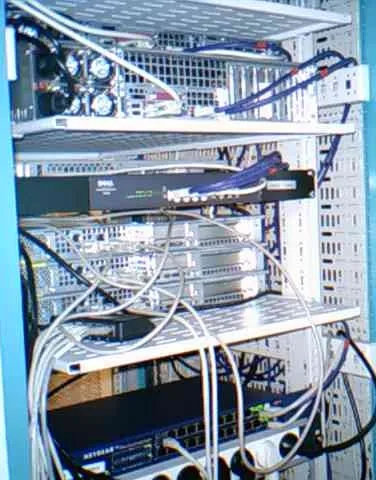
Photo: David Monniaux. Photo taken by myself with a cellular phone. Copyright © 2004, CC BY-SA 1.0, via Wikimedia Commons
Somewhere in a utility closet in the Midwest, a server is humming along, doing its job, running software that was compiled when the iPhone was still a rumor. Nobody thinks this is strange in the Linux world. Machines built in the early 2000s still route email, run payroll, and keep small-town libraries' catalogs online. Old hardware isn't a liability in that ecosystem — it's an asset that's already been paid for.
Now contrast that with the device you're probably reading this on. Industry norms suggest two to four years of meaningful support, after which the software slows, the updates stop, and the recycling bin beckons. We've been trained to see this as natural. It isn't. It's a business decision, and it's worth asking why we accepted it.
Planned Obsolescence Is a Historical Blip
For most of computing history, hardware outlived software revolutions by decades. People bought a machine and upgraded the operating system on it, sometimes several times. The idea that the software would abandon the hardware — rather than the hardware outgrowing the software — only became normal when phones became subscription-adjacent revenue machines. A phone that lasts ten years doesn't sell you a new phone. A phone that lasts two does.
Mainframe computers run for decades. ATMs run Windows XP in some places. The technology for longevity exists. The incentive doesn't.
What Open-Source Mobile Changes
Open-source mobile operating systems flip the incentive. When the software is maintained by a community rather than a marketing department, there's no quarterly earnings call demanding you buy a new device. If your hardware can technically run the stack, someone will probably keep it running — because the person maintaining it might be running it too.
The result is a different lifecycle entirely. Phones that stopped receiving vendor updates years ago get new builds. Security patches arrive through channels that don't require buying anything. The device ages the way a good truck ages: with maintenance, not replacement.
The 15-Year Phone Isn't a Fantasy
Critics will say phones are different — batteries degrade, radios change, apps demand more. Fair. But a 15-year security-supported phone doesn't mean a 15-year-frozen phone. It means a device whose core software keeps receiving patches the way your laptop does, with the option to extend its life instead of landfilling it.
The US throws away well over 100 million phones a year. Each one contains mined, refined, assembled material that ends up in a drawer or a shredder because the software stopped saying yes. That's not a hardware problem. It's a governance problem, and governance can be changed.
The Linux servers in that utility closet are the proof of concept. They were never supposed to last this long either. The difference is that nobody was paid to kill them.